On this page
Quick answer
For a first trip to Japan, start with three experiences you cannot have anywhere else: a private onsen at a ryokan, sushi made in front of you at the counter, and whisking your own matcha in a Kyoto tea room. Families should add Tokyo Disney Resort, and couples a morning at Lake Kawaguchi with Mount Fuji in view.
What kind of memories do you want to bring home from Japan? A day at a theme park with the children, a quiet evening in a hot spring for two, or an hour in a Kyoto tea room learning something completely new. This guide brings together 10 experiences you can only have in Japan.
I was born in Japan and lived there for 26 years before moving to Dubai, so I know both what makes Japan special and what matters to travellers from the Gulf. These are the experiences I would want a close friend to have on their first trip. I chose ones you can enjoy in any season and fit easily into a family or couple’s trip.
The 10 experiences at a glance
| Experience | Area | Best for | Time needed | Price from | Book ahead? |
|---|---|---|---|---|---|
| ★ Relax in a private onsen | Hakone, Lake Kawaguchi | Families, couples | 1 night | ¥45,000 (AED 1,050) per person | Yes |
| ★ Eat sushi at the counter | Tokyo, Kyoto | Families, couples | 1.5–2 hours | ¥20,000 (AED 470) per person | Yes |
| Walk through Kyoto in a kimono | Kyoto | Couples, families | Half day | ¥5,000 (AED 115) per person | Yes |
| ★ Whisk your own matcha | Kyoto, Tokyo | Families, couples | 45 min–1.5 hours | ¥7,700 (AED 180) per adult | Yes |
| Ride at Tokyo Disney Resort or USJ | Tokyo, Osaka | Families | 1 day | ¥7,900 (AED 185) per adult | Yes |
| See Mount Fuji from Lake Kawaguchi | Lake Kawaguchi | Couples, families | Half to full day | ¥90,000 (AED 2,100) per car | Yes |
| Eat an ekiben on the shinkansen | Tokyo to Kyoto | Families | About 2 hours 15 min | ¥700 (AED 16) per box | No |
| Make nerikiri Japanese sweets | Tokyo, Kyoto | Families | About 2 hours | ¥5,000 (AED 115) per person | Yes |
| See Tokyo or Osaka from a private helicopter | Tokyo, Osaka | Couples, special trips | 10–22 minutes in Tokyo | ¥44,000 (AED 1,025) per flight in Tokyo | Yes |
| Shop in Ginza and Omotesando, and explore a depachika | Tokyo | Adults | Half day | Free to browse | No |
★ = my top three picks. Prices are only a rough guide. They vary a lot depending on the place and provider you choose, as well as the date, season and number of people. AED at about ¥43 per dirham.
10 unique things to do in Japan
1. Relax in a private onsen
An onsen is a natural hot spring bath, and soaking in one surrounded by mountains is the most Japanese way to slow down. Many ryokan (traditional inns) in Hakone and around Lake Kawaguchi have rooms with their own open-air bath, or private baths you can reserve just for your family. Dubai has wonderful spas, but bathing in natural hot spring water with a view of forest or Mount Fuji is something you will only find here.
- Families: a private bath means everyone can relax together, with no strangers around.
- Couples: choose a room with its own open-air bath and enjoy it at sunset and again at sunrise. For more romantic ideas, see our guide to things to do in Japan for couples.
An evening soak in your own open-air bath, surrounded by trees and quiet, before a multi-course dinner served in your room.
- Where: Hakone or Lake Kawaguchi, 1–2 hours from Tokyo
- Price: rooms with a private open-air bath from about ¥45,000 (AED 1,050) per person per night, with dinner and breakfast
- Book: as early as possible, especially for weekends and cherry blossom season
- For Muslim travellers: ask the ryokan about an alcohol-free dinner, as traditional cooking often uses sake and mirin
Local tip: stay at least one night. The ryokan experience includes the dinner, the quiet evening and the morning bath, not just the onsen. For ryokan ideas, see our guide to private onsen, and for what to do around the bath, read how to enjoy an onsen town.
2. Eat sushi made by a chef at the counter
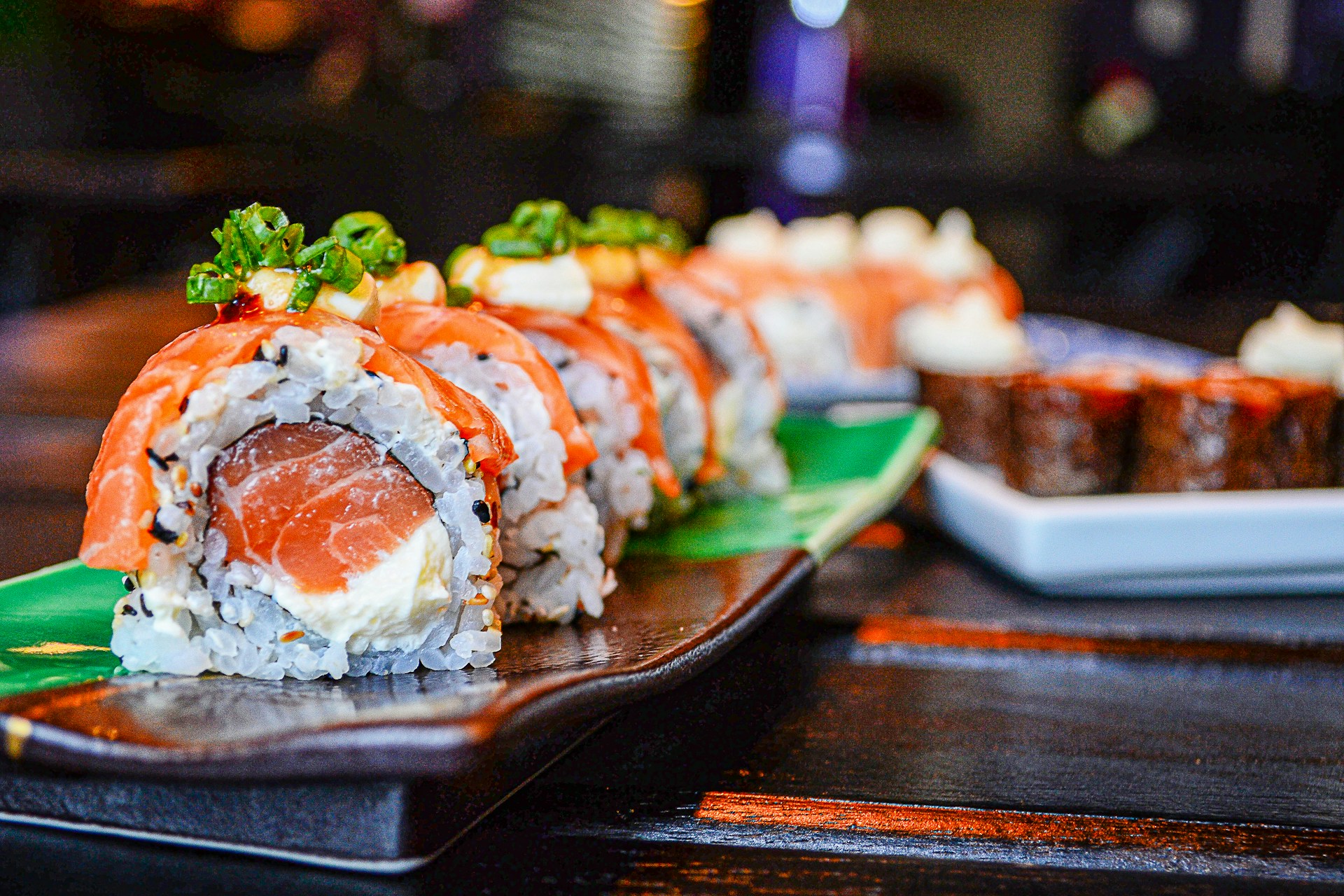
At a sushi counter, the chef makes each piece in front of you and places it straight on your plate, one at a time, in the order he thinks you will enjoy most. It is less a meal than a performance, and the freshness of the fish in Japan is hard to match anywhere else. For many of my friends, this was the meal they talked about most after their trip.
- Families: go at lunchtime, when many counters serve shorter courses that suit children.
- Couples: book an evening omakase (chef’s choice) and sit at the counter to watch the chef work.
- Where: Tokyo (Ginza is the classic area) and Kyoto
- Price: dinner courses from about ¥20,000 (AED 470) per person; top counters cost much more
- Book: popular counters fill weeks ahead, and some top counters only take reservations in Japanese. I can book them for you
- For Muslim travellers: ask when you book for soy sauce without alcohol and no mirin (sweet rice wine)
Local tip: tell the restaurant about allergies and anything you do not eat when you book, not at the table, so the chef can plan the course.
3. Walk through Kyoto in a kimono
Renting a kimono for the day and walking the old streets around Kiyomizu-dera and Gion is one of the most photographed moments of any trip to Japan. The shop dresses you completely, so you only need to enjoy the walk.
- Couples: walk the stone lanes of Ninenzaka and Sannenzaka up to Kiyomizu-dera, passing the Yasaka Pagoda. Early in the morning, it feels like stepping back in time.
- Families: Arashiyama is more open and relaxed for children. Walk through the bamboo grove, cross the Togetsukyo Bridge and take a short boat ride on the river. Children also love running through the red torii gates at Fushimi Inari Shrine; the first section is enough for small legs.
- Where: Kyoto, around Higashiyama and Kiyomizu-dera, Arashiyama or Fushimi Inari. Rent from a shop near the area you plan to walk, as you return the kimono there
- Price: kimono rental from about ¥5,000 (AED 115) per person, including dressing
- Book: reserve a morning slot, as dressing takes about an hour
- For Muslim travellers: some Kyoto shops, such as Yumeyakata, have offered hijabs in Japanese patterns to match the kimono; confirm when you book
Local tip: start early. By late morning the streets around Kiyomizu-dera are very crowded.
4. Whisk your own matcha
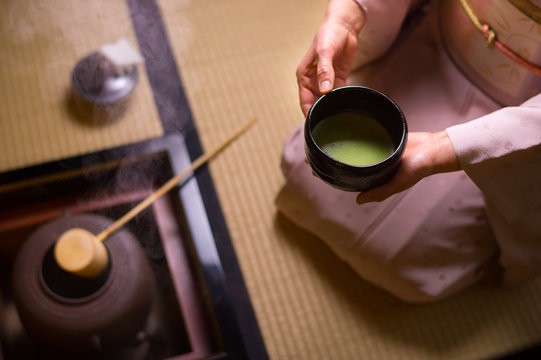
The tea ceremony is one of the purest expressions of Japanese culture: every movement, from folding the cloth to turning the bowl, has a meaning. In a quiet tea room, a teacher explains the ceremony and then hands you the bamboo whisk, so you can make a bowl of matcha (powdered green tea) yourself. Kyoto is the best place to do it, and private sessions let your family enjoy it without strangers.
- Families: children enjoy whisking the foam themselves, and most sessions last under an hour. Some tea rooms also offer a Japanese sweet-making class, so you can add making nerikiri on the same visit.
- Couples: choose a longer private plan that adds wearing a kimono for the ceremony.
Sitting on tatami mats in a quiet Kyoto tea room, the garden outside the open screen, as your children whisk their first bowl of matcha.
- Where: Kyoto, with many tea rooms near Gion and Kiyomizu-dera; also available in Tokyo
- Price: private sessions from about ¥7,700 (AED 180) per adult and ¥4,500 (AED 105) per child for 45 minutes
- Book: a few days ahead; private sessions usually need at least two people
- For Muslim travellers: matcha is simply powdered green tea, and a private session is easy to fit around prayer times
Local tip: book a morning session before Kyoto’s busiest sights get crowded, then walk to a temple nearby.
5. Enjoy the rides at Tokyo Disney Resort or Universal Studios Japan
Tokyo Disney Resort has two parks: Tokyo Disneyland, with its castle and parades, and Tokyo DisneySea, a Disney park found only in Japan, with themed ports from Venice to an underwater world. Universal Studios Japan in Osaka is home to Super Nintendo World, a favourite with children of every age.
- Families: Tokyo Disneyland suits younger children best, while older children often prefer the rides at Tokyo DisneySea. Plan the day around the rides they care about most, with a long lunch break. For 16 more ideas sorted by age, see our guide to things to do in Japan with kids.
- Couples: Tokyo DisneySea is popular with adults, especially in the evening when the harbour lights up.
- Where: Tokyo Disney Resort (Tokyo Disneyland and Tokyo DisneySea, about 30 minutes from central Tokyo) and Universal Studios Japan (Osaka)
- Price: 1-day tickets for Tokyo Disneyland or Tokyo DisneySea from about ¥7,900 (AED 185) per adult and ¥4,700 (AED 110) per child; Universal Studios Japan from about ¥8,400 (AED 195). Prices change by date
- Book: buy tickets online before you travel; paid fast-track passes save hours on busy days
- Check: some rides have height limits, so look them up before promising them to the children
Local tip: avoid Japanese school holidays and weekends, when the parks are at their busiest.
6. Walk by Lake Kawaguchi with Mount Fuji in view
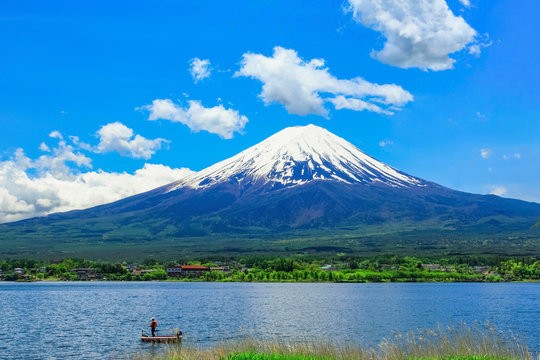
Walking along Lake Kawaguchi with Mount Fuji rising in front of you is the view most people picture when they think of Japan. In the early morning, the mountain is often reflected in the still water, and the lakeside is almost empty.
- Couples: stay overnight at a lakeside ryokan with a Fuji view and walk out at sunrise.
- Families: combine the lakeside walk with a cable car ride for a wider view.
An early morning walk along the lake, with snow-capped Mount Fuji reflected in the still water and the whole view almost to yourselves.
- Where: Lake Kawaguchi, about 2 hours from Tokyo by car
- Price: a full-day private car from Tokyo from about ¥90,000 (AED 2,100) per vehicle, including tolls
- Book: reserve the car and any ryokan in advance
- Check the weather: Mount Fuji is clearest on winter mornings and often hidden by clouds in summer, so plan around the season
Local tip: check the forecast the day before and keep the plan flexible, so you can go on the clearest day of your trip.
7. Eat an ekiben on the shinkansen
An ekiben is a boxed meal sold at train stations, and opening one on the shinkansen (bullet train) is a small Japanese tradition. Tokyo Station has shops selling ekiben from all over Japan, so choosing one becomes part of the fun.
- Families: children love the shinkansen-shaped bento boxes, which they can keep as a toy afterwards. The portion is small, about right for a child. Many contain fried chicken or other meat, so check the contents if you eat halal.
- Couples: choose a seafood bento, such as salmon and salmon roe over rice, which is a comfortable one-person meal, or masu no sushi (pressed trout sushi from Toyama) in a round box that is large enough to share.
- Where: Tokyo Station, on the way to Kyoto (about 2 hours 15 minutes by Nozomi)
- Price: most ekiben cost about ¥700–2,000 (AED 16–47) per box at Ekibenya Matsuri, the ekiben shop inside Tokyo Station
- Book: no need to book the ekiben, but reserve your shinkansen seats
- For Muslim travellers: choose fish, egg or vegetable boxes and check the label for pork and sake
Local tip: sit on the right side of the train from Tokyo to Kyoto for a chance to see Mount Fuji on a clear day.
8. Make nerikiri Japanese sweets
Nerikiri are delicate wagashi (Japanese sweets) shaped like seasonal flowers. This is a hands-on craft class: a confectioner shows you how to colour the sweet bean paste and shape it into cherry blossoms or maple leaves with simple wooden tools. You take home the skill, and eat what you made at the end. It feels a little like modelling clay, so even young children can join in.
- Where: Tokyo and Kyoto
- Price: classes from about ¥5,000 (AED 115) per person, usually around 2 hours
- Book: a few days ahead; private classes are available
- For Muslim travellers: nerikiri are made from white bean paste and sugar; ask the class to confirm the ingredients
Local tip: choose a class that teaches the current season’s design, such as cherry blossoms in spring or maple leaves in autumn.
9. See Tokyo or Osaka from a private helicopter
A private helicopter flight shows Japan’s most famous sights from above. Over Tokyo, you see Tokyo Bay, Tokyo Tower and Tokyo Skytree, and at sunset the city lights stretch to the horizon. Over Osaka, you fly past Osaka Castle, the Umeda Sky Building and Osaka Bay, and at night the castle is lit up below you. It is a perfect surprise for an anniversary or a special birthday.
- Couples: book an evening flight timed for sunset in Tokyo, or a night flight over the illuminated Osaka Castle.
- Families: short day flights work well for older children, and in Osaka you can even spot Universal Studios Japan from the air.
- Where: Tokyo and Osaka (Osaka flights leave from Maishima Heliport on Osaka Bay)
- Price: in Tokyo, private day flights from about ¥44,000 (AED 1,025) for 10 minutes, and evening flights from about ¥89,800 (AED 2,090) for 22 minutes, per helicopter for up to 3 passengers; in Osaka, flights of about 15 minutes run by day and night, so ask for a quote
- Book: in advance, especially for sunset slots
- Check: flights depend on the weather and may be rescheduled
Local tip: pair the flight with a dinner reservation nearby to make it a full evening.
10. Shop in Ginza and Omotesando, and explore a depachika
Ginza and Omotesando are home to luxury brands, Japanese designers and beautiful flagship stores. Underneath the department stores is the depachika (food hall), full of perfect fruit, Japanese sweets and gift boxes that make wonderful souvenirs.
- Couples: spend an afternoon in Omotesando’s side streets for Japanese designer boutiques.
- Families: the depachika is a fun place to taste and buy sweets for friends at home.
- Where: Ginza and Omotesando, Tokyo
- Price: free to browse
- Book: no booking needed
- Tip: bring your passport, as tax-free shopping rules for visitors require it
Local tip: visit the depachika in the late afternoon, when shops offer tastings and the gift selection is at its fullest.
Can’t do everything? How to choose
- First trip to Japan: sushi at the counter, matcha in Kyoto and Mount Fuji give you food, culture and scenery in one trip.
- Families with children: Tokyo Disney Resort, a nerikiri class, an ekiben on the shinkansen and a private onsen, with rest time between each.
- Couples: a private onsen, sushi at the counter and a kimono walk in Kyoto.
- A trip to remember: add a private helicopter flight over Tokyo or Osaka.
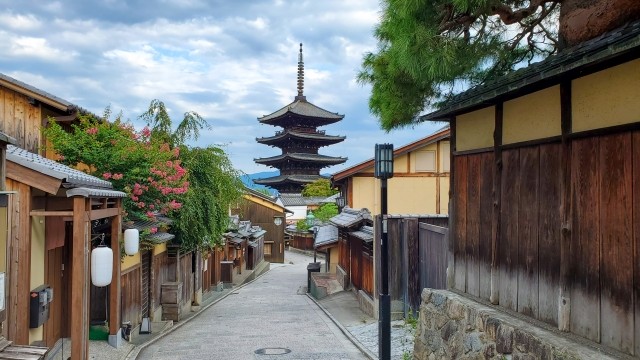
A 7-day example: start in Tokyo with sushi, shopping and Tokyo Disney Resort, spend a night at a ryokan by Lake Kawaguchi with Mount Fuji, then take the shinkansen to Kyoto with an ekiben for matcha, a kimono walk and a nerikiri class.
For prayer during your trip, Tokyo Camii in Shibuya is the largest mosque in Tokyo, and a private car makes it easy to fit prayer times into each day.
If you are still deciding when to go, our guide to the best time to visit Japan explains each season, and our guide to how much a trip to Japan costs helps you plan your budget.
Let a Japanese local shape your trip
Tell us which of these experiences you would like, and we will turn them into one smooth plan. Message us on WhatsApp with your travel dates, the number of travellers and the children’s ages. We will arrange the experiences, hotels, ryokan and transport around your family. Start a free chat.
What can you do in Japan that you cannot do in Dubai?
Bathe in a natural hot spring, eat sushi made by a chef in front of you, take part in a Kyoto tea ceremony and see Mount Fuji. These are experiences found only in Japan.
Can Muslim travellers enjoy these experiences?
Yes. You can book a private onsen for just your family, ask for alcohol-free soy sauce and dishes, rent a kimono with a matching hijab at some Kyoto shops, and pray at mosques such as Tokyo Camii.
Do I need to speak Japanese to enjoy these experiences?
No. Theme parks, tea ceremonies, kimono rental and sweet-making classes in Tokyo and Kyoto often run in English. Some popular sushi counters and ryokan only take bookings in Japanese, and that is where I can help: as a Japanese local, I can make those reservations for you.
Can I enjoy these experiences in any season?
Yes, all 10 can be enjoyed all year. Mount Fuji is clearest in winter, Kyoto is busiest during cherry blossom and autumn leaves season, and helicopter flights depend on the weather.
How many days do I need, and when should I book?
About 7 days lets you enjoy most of these experiences across Tokyo, Lake Kawaguchi and Kyoto. Book ryokan, sushi counters, theme park tickets and helicopter flights as soon as your dates are set.