On this page
Quick answer
Before you go: check your visa, book popular tickets early, set up an eSIM and, on an iPhone, Suica. Bring cash and a credit card (Visa or Mastercard works best), and don’t tip. On the trains, stay quiet, avoid the rush hour and keep seats for people, not bags. From 1 November 2026, tax-free shopping becomes a refund you claim at the airport before check-in.
Here are 19 things worth knowing before your trip to Japan, so your first days go smoothly.
All 19 at a glance
| # | What to know | In one line |
|---|---|---|
| Before you go | ||
| 1 | Visa and Visit Japan Web | Check your visa first, then register your arrival online |
| 2 | Book popular tickets early | Shibuya Sky, Tokyo Disney and the Ghibli Museum sell out |
| 3 | Set up an eSIM | Be online the moment you land |
| 4 | Apps to download | Maps, taxis, earthquake alerts, halal food |
| 5 | What to pack | A Type A plug adapter (Japan is 100 V), layers |
| 6 | Get a Suica card | iPhone: set it up before you fly. Android: buy a card at the airport |
| Money | ||
| 7 | Bring cash and a card | Phone payments don’t work everywhere, so carry the card itself |
| 8 | Don’t tip | Tipping isn’t part of Japanese culture |
| 9 | The new 2026 rules | Tax-free shopping becomes a refund; departure tax is now ¥3,000 |
| Getting around and hotels | ||
| 10 | Days start early, nights end early | Many shops close around 9 pm |
| 11 | Avoid the rush hour | Tokyo’s morning trains are among the most crowded in the world |
| 12 | Hotel rooms are small | Book family rooms and suites early |
| Manners | ||
| 13 | Train manners | Stay quiet; one seat per person, no bags on seats |
| 14 | Escalators | Stand on the left in Tokyo, on the right in Osaka |
| 15 | Few rubbish bins | Carry your rubbish with you |
| 16 | No outside food in restaurants | Eat your own snacks at the hotel or in a park |
| 17 | Children and late nights | Under-18s should not be out late without a parent |
| 18 | Onsen manners | Wash before you get in |
| For Muslim travellers | ||
| 19 | Prayer and halal food | Easy in Tokyo and Kyoto, with a little planning |
Before you go
1. Check your visa and register on Visit Japan Web
Whether you need a visa depends on your passport and where you live, so check this first. Our Japan visa guide for UAE residents explains the steps.
Before you fly, register on Visit Japan Web, the government’s online form for immigration and customs. You get a QR code to show on arrival, which saves time at the airport.
2. Book popular tickets early
Japan’s most popular places sell out, sometimes weeks ahead:
| Place | When tickets go on sale |
|---|---|
| Shibuya Sky | About four weeks ahead. Sunset slots go first |
| Ghibli Museum | 10 am (Japan time) on the 10th of the month before your visit |
| Tokyo Disneyland and DisneySea | Tickets are for a set date. Weekends and holidays sell out |
| teamLab Planets | Tickets are for a set time |
Book Shibuya Sky, teamLab Planets or Tokyo Disney before you fly. If you’d rather not deal with sale dates and sold-out days, we can book your tickets for you.
3. Set up an eSIM before you fly
You need data from the moment you land, for maps, trains and taxis. An eSIM for Japan can be installed at home in Dubai, so your phone works as soon as you arrive. Pocket Wi-Fi and airport SIM cards are also available.
Get an eSIM for Japan and install it before you leave the Gulf.
4. Apps to download
- Google Maps: shows train times, platforms and walking routes
- GO or Uber: for booking taxis
- Safety tips: earthquake, tsunami and weather alerts in English, made under the supervision of the Japan Tourism Agency
- A halal food app or map: to find halal and Muslim-friendly restaurants nearby
5. What to pack
- A plug adapter: Japan uses Type A plugs, which are different from the Type G plugs used in the UAE
- Check the voltage: Japan’s electricity is 100 volts, much lower than the 220–240 volts in the Gulf. Phone, tablet and laptop chargers marked “100–240V” work with just a plug adapter. Hair dryers and hair straighteners made for 220–240 volts may not work properly, so use the one at your hotel or buy one in Japan
- Layers: buildings and trains are warm in winter and cool in summer
6. Get a Suica card
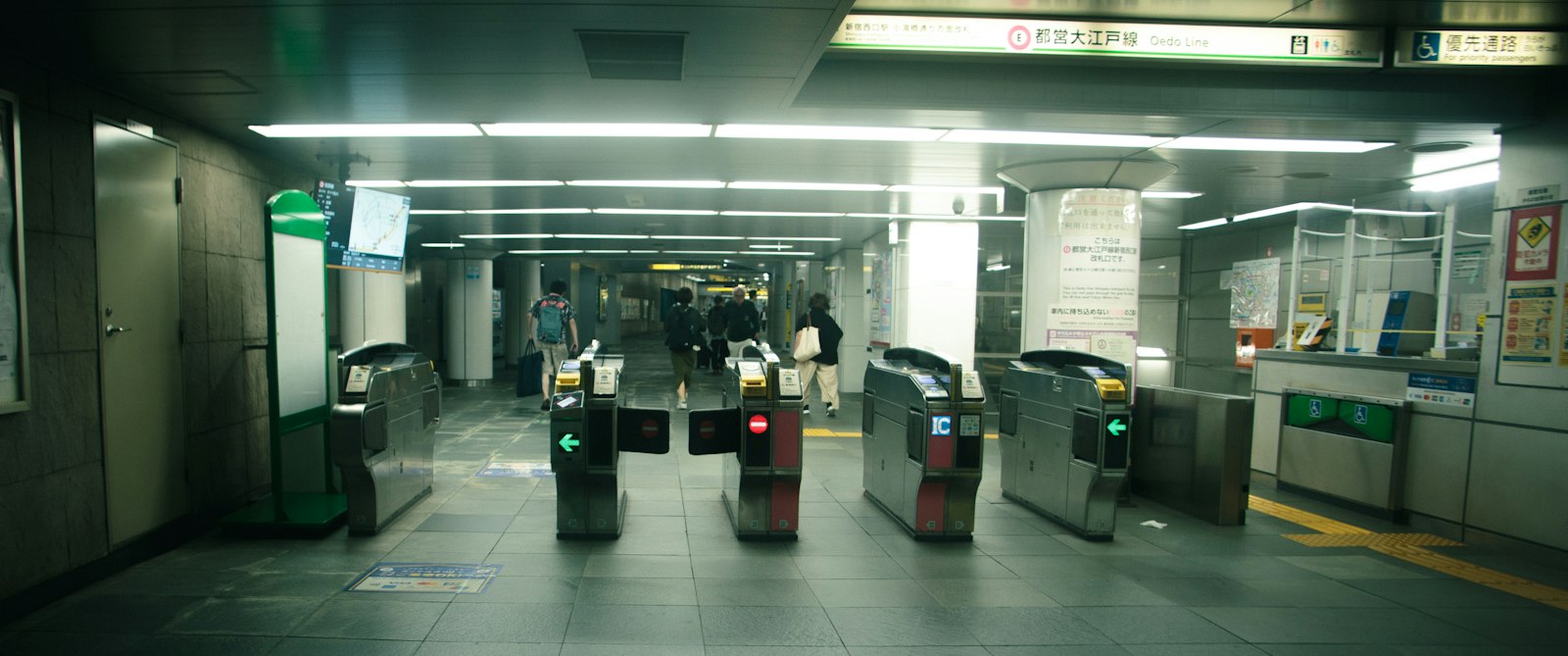
Suica is a prepaid card for trains, buses, many taxis and convenience stores.
Why you need it: without Suica, you buy a paper ticket for every train ride, and to do that you first have to find out the fare to your station. Fare charts in big stations are complicated and hard to read for visitors. With Suica you just tap in and tap out, and the right fare is taken automatically.
- On an iPhone: download JR East’s Welcome Suica Mobile app before you fly. You can issue a Suica and top it up with Apple Pay before you land, then walk straight onto the train. It is valid for 180 days, and leftover money is not refunded, so top up a little at a time
- On an Android phone: phones bought outside Japan usually can’t carry Suica. Buy a Welcome Suica card at the station in Haneda or Narita airport
- For children: child cards cost about half the adult fare, and you buy them at the station’s travel service centre with the child’s passport. Children under 6 usually ride free with an adult
Money
7. Bring cash and a credit card
Cards work in most hotels, department stores and restaurants in Tokyo and Kyoto, but not everywhere.
- Your card: Visa and Mastercard work almost everywhere. American Express is not accepted in some small shops
- Phone payments: Apple Pay is common, but some shops don’t take it. If you pay with your phone, bring the card itself too
- Cash: small shops, shrines, local restaurants and countryside ryokan may take cash only. You can withdraw yen at convenience store ATMs
8. Don’t tip
Tipping is not part of Japanese culture. Restaurants, taxis and hotels don’t expect it, and leaving money can even confuse staff. High-end hotels and restaurants already add a service charge to the bill. A warm “arigato” (thank you) is enough.
9. The new 2026 rules: tax-free shopping and departure tax
Tax-free shopping becomes a refund from 1 November 2026.
- Spend ¥5,000 or more (before tax) in one shop on one day, and show your passport
- Pay the full price, including tax
- At the airport, before you check in your bags, take your purchases to the customs tax-free counter
- You get the tax back from the shop or its refund service
You must leave Japan within 90 days of buying, with every item from the receipt. Items you have used, eaten or opened in Japan don’t qualify. Get to the airport early on your last day.
The departure tax is now ¥3,000 (it was ¥1,000 until 30 June 2026). It is usually already included in your air ticket.
Getting around and hotels
10. Days start early, and nights end early
Compared with the UAE, Japan’s days end early. Most temples and gardens close around 5 pm, and many shops and restaurants close by about 9 pm. Start your day early instead of going out late. See how many days you need in Japan.
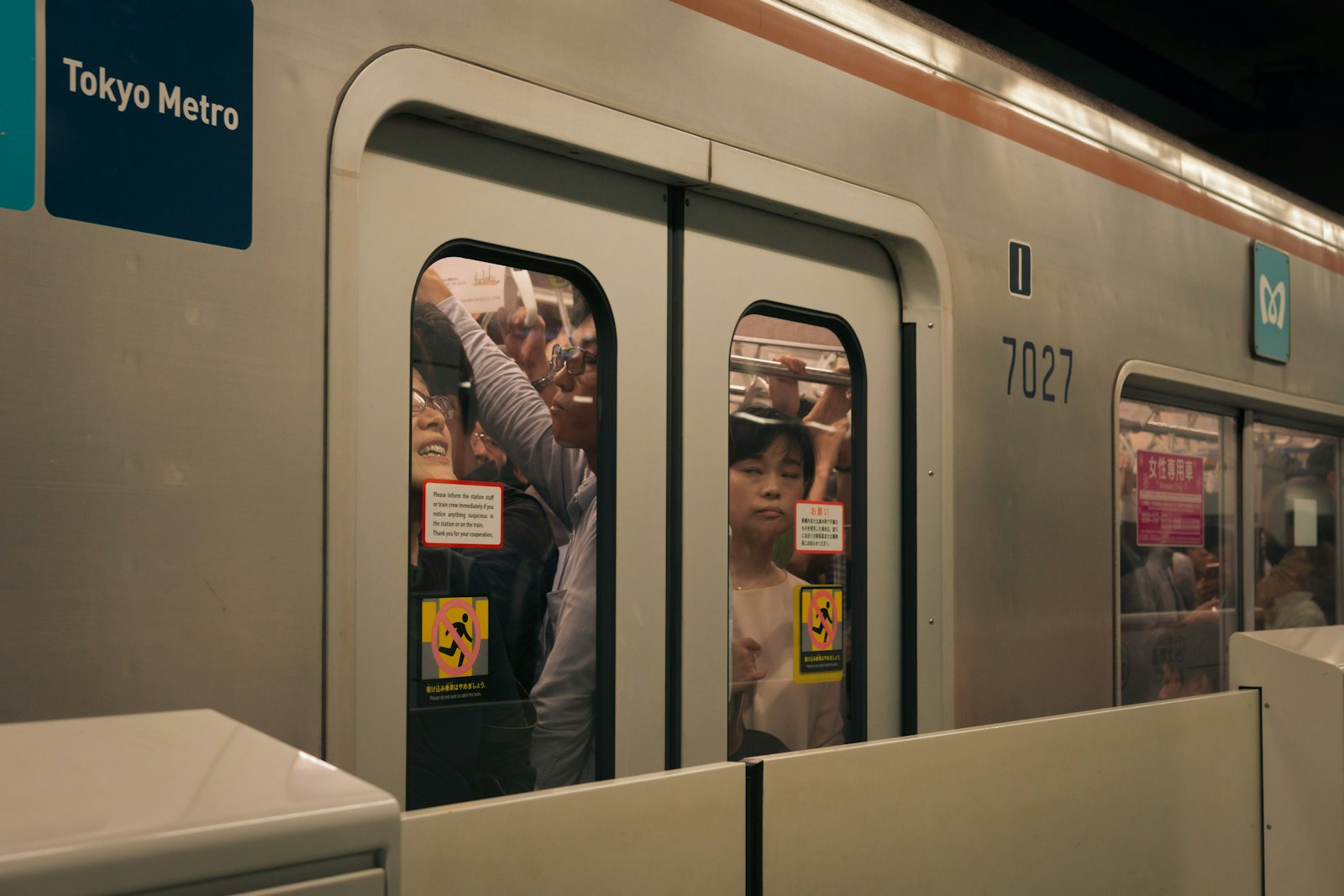
11. Avoid the rush hour
Tokyo’s commuter trains are among the most crowded in the world. Avoid trains from about 7:30 to 9:30 am and 5:30 to 7:30 pm on weekdays, especially with children, a pushchair or luggage. Plan sightseeing for after the morning rush, or use a private car on those days.
12. Hotel rooms are smaller than you expect
Japanese hotel rooms, especially in Tokyo, are small. Connecting rooms, family rooms and suites are the first to sell out, so book them early. We can find rooms that fit your whole family.
Manners
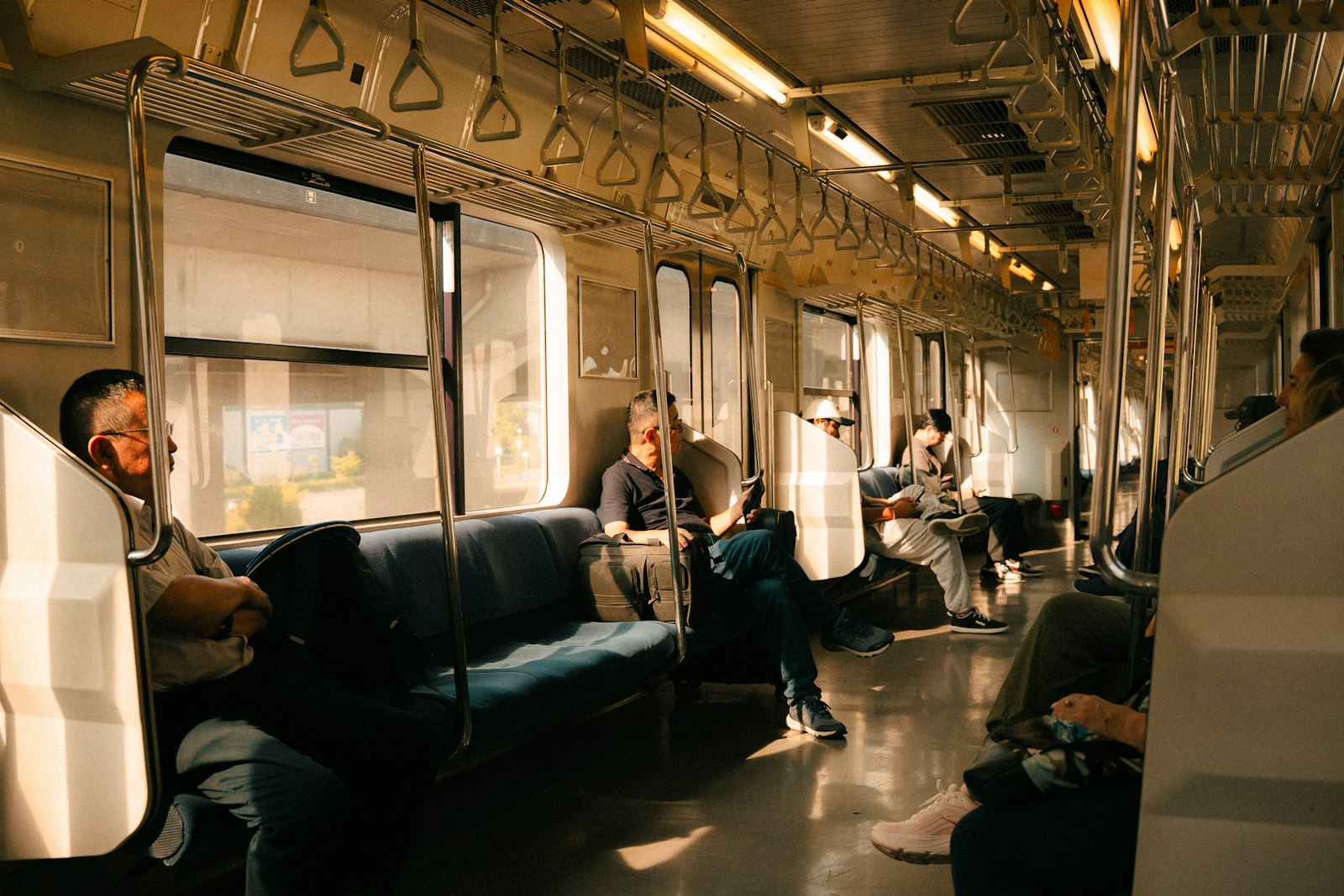
13. Train manners: stay quiet, and one seat per person
- Talk quietly, and don’t make phone calls on the train
- Each seat is for one person. Don’t put bags or shopping on the seat next to you. Put big bags on the rack above or at your feet
- Give priority seats to older people, pregnant women and people with small children
14. Escalators: left in Tokyo, right in Osaka
Japanese people traditionally stand on one side of the escalator and leave the other side free. In Tokyo you stand on the left; in Osaka you stand on the right. If in doubt, do what the person in front of you does.
Railway companies now ask everyone to stand still on both sides. Saitama Prefecture and Nagoya even have rules about it.
15. There are very few rubbish bins
Public bins are rare in Japan, even in big cities. Carry a small bag for your rubbish and throw it away at your hotel or at a convenience store.
16. Don’t eat outside food in restaurants
Most restaurants in Japan don’t allow you to bring your own food. Avoid taking out snacks or packed meals inside a restaurant, and eat them at your hotel or in a park instead. Baby food is usually fine, but ask first.
If you need halal meals, choose a halal restaurant or ask the restaurant before you go. We can call restaurants in Japanese to check for you.
Tokyo Disney asks guests not to eat their own meals inside the parks. Guests with allergies or dietary needs, and babies, may bring their own food into restaurants, so ask the staff at the entrance. There is also a picnic area outside the gates.
17. Children should not be out late at night
In the UAE, it is normal for children to play outside late in the evening. In Japan, under-18s are expected to be home at night. In Tokyo, children under 18 must not be out between 11 pm and 4 am unless a parent agrees. Karaoke rooms and similar places do not let under-18s in during those hours.
Game arcades and karaoke rooms turn children away even earlier in some places: in Osaka, under-16s can’t enter from 7 pm unless they are with a parent. Plan children’s fun for the daytime and early evening.
18. Onsen manners
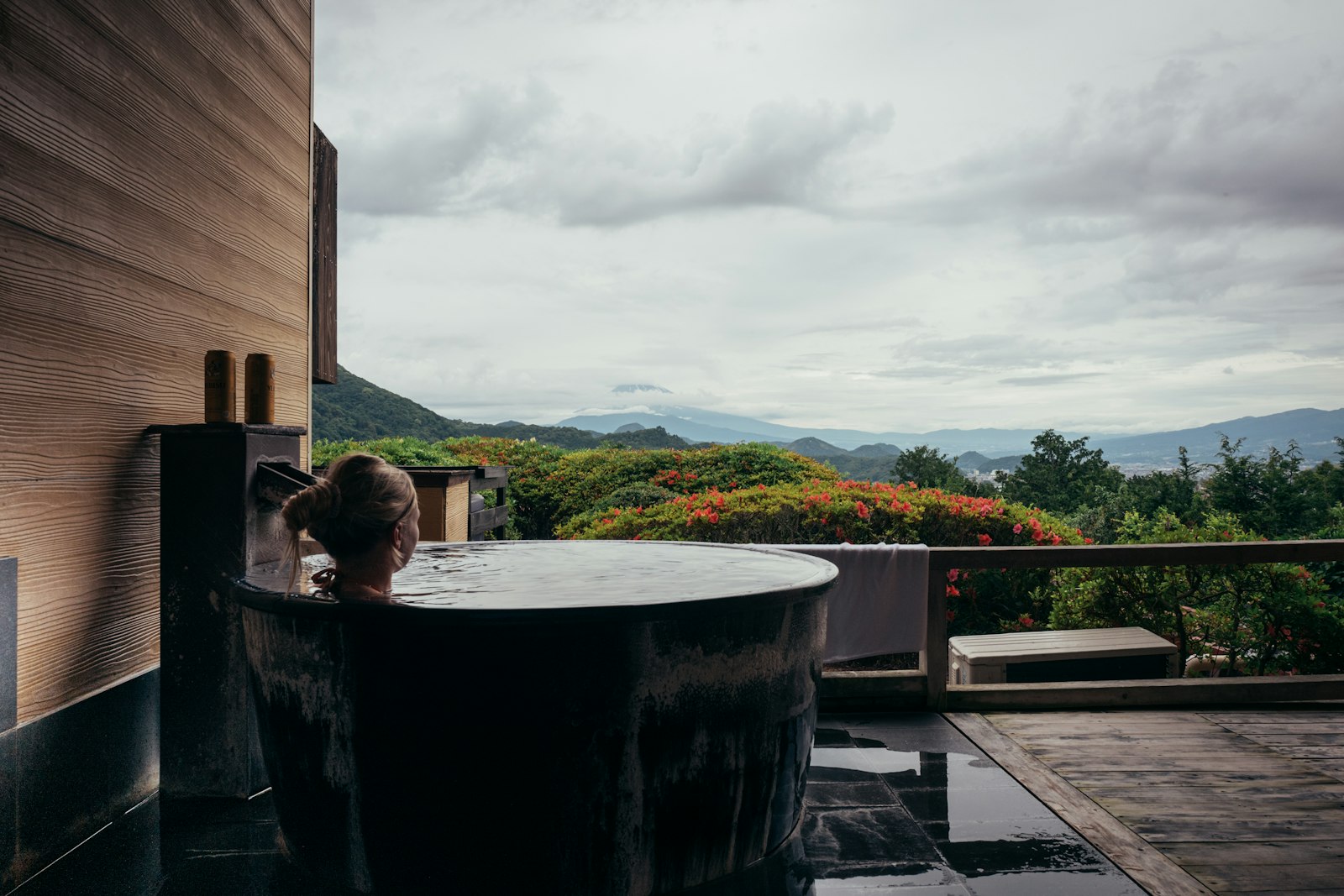
- Wash your body before you get in. There are showers next to the bath
- Don’t put towels in the water, and tie long hair up
- Many public onsen don’t allow tattoos
Public onsen are shared and you bathe without clothes. Many Gulf families choose a room with its own bath or a private onsen. See our guide to private onsen for Muslim families and couples.
For Muslim travellers
19. Prayer and halal food
Japan is not a Muslim country, but praying and eating halal is easy in Tokyo and Kyoto with a little planning. Tokyo Camii in Shibuya welcomes visitors, and many airports, stations and department stores have prayer rooms. Read whether Japan is Muslim-friendly for halal restaurants, prayer spaces and tips for women who wear a hijab.
Let a Japanese local prepare your trip
Tickets, Suica, an eSIM, family rooms, halal restaurants and prayer spaces: there is a lot to set up before you fly. Tell us your dates and who is travelling, and we will arrange it all for you. Plan my trip.
Do I need cash in Japan in 2026?
Yes. Cards and phone payments work in most hotels, department stores and restaurants, but small shops, shrines and countryside ryokan may take cash only. Bring cash and a credit card; Visa or Mastercard works best.
Should I tip in Japan?
No. Tipping isn't part of Japanese culture, and high-end hotels and restaurants already add a service charge to the bill.
How does tax-free shopping work from November 2026?
You pay the full price including tax, then claim the tax back at the customs tax-free counter at the airport before you check in your bags. You need your passport and all the items, and you must leave Japan within 90 days.
Can I get a Suica card before I arrive in Japan?
On an iPhone, yes: download the Welcome Suica Mobile app, issue a Suica and top it up with Apple Pay before you fly. With an Android phone, buy a Welcome Suica card at the station in Haneda or Narita airport.
What should I not do in Japan as a tourist?
Don't make phone calls on trains, put bags on seats, tip, or eat your own food in restaurants. Carry your rubbish with you, and keep children's activities to the daytime and early evening.