On this page
Quick answer
Yes, with a little preparation, Japan is easy for Muslim families to enjoy. Tokyo, Osaka and Kyoto have halal restaurants and mosques, and the main airports have prayer rooms. For food, choose halal restaurants: Japanese cooking often uses mirin, cooking sake and pork-based stock, and ordinary restaurants rarely list their ingredients. Check where you can pray before each day out.
Japan is not a Muslim country, and only a small part of the population is Muslim. That is exactly why a little knowledge makes such a difference. Once you know what to look for, eating, praying and moving around are straightforward.
I was born in Japan and lived there for 26 years before moving to Dubai. These are the questions my friends here ask me most before their first trip, and the answers I give them.
Eat at halal restaurants, not ordinary ones
My strongest advice: eat at restaurants that specialise in halal food. It is the simplest way to enjoy Japanese food without worrying about every dish. For restaurants by area, see our guides to halal food in Tokyo, Osaka and Kyoto.
The reason is how Japanese food is made. Even dishes that look safe often are not:
- Mirin and cooking sake are in almost everything. Teriyaki, sukiyaki, simmered dishes, many sauces and even some rice dishes are seasoned with mirin (sweet rice wine) or sake.
- Pork is hidden in stocks and fats. Many ramen soups are made from pork bones, and lard or pork-based stock can be used in dishes that contain no visible meat.
- A fish or vegetable dish is not automatically safe. Tempura may be fried in oil that is also used for pork, and a vegetable dish may be simmered in stock you cannot see.
- Menus rarely list ingredients. At an ordinary restaurant, you usually cannot tell from the menu, and staff may not know the details of every sauce.
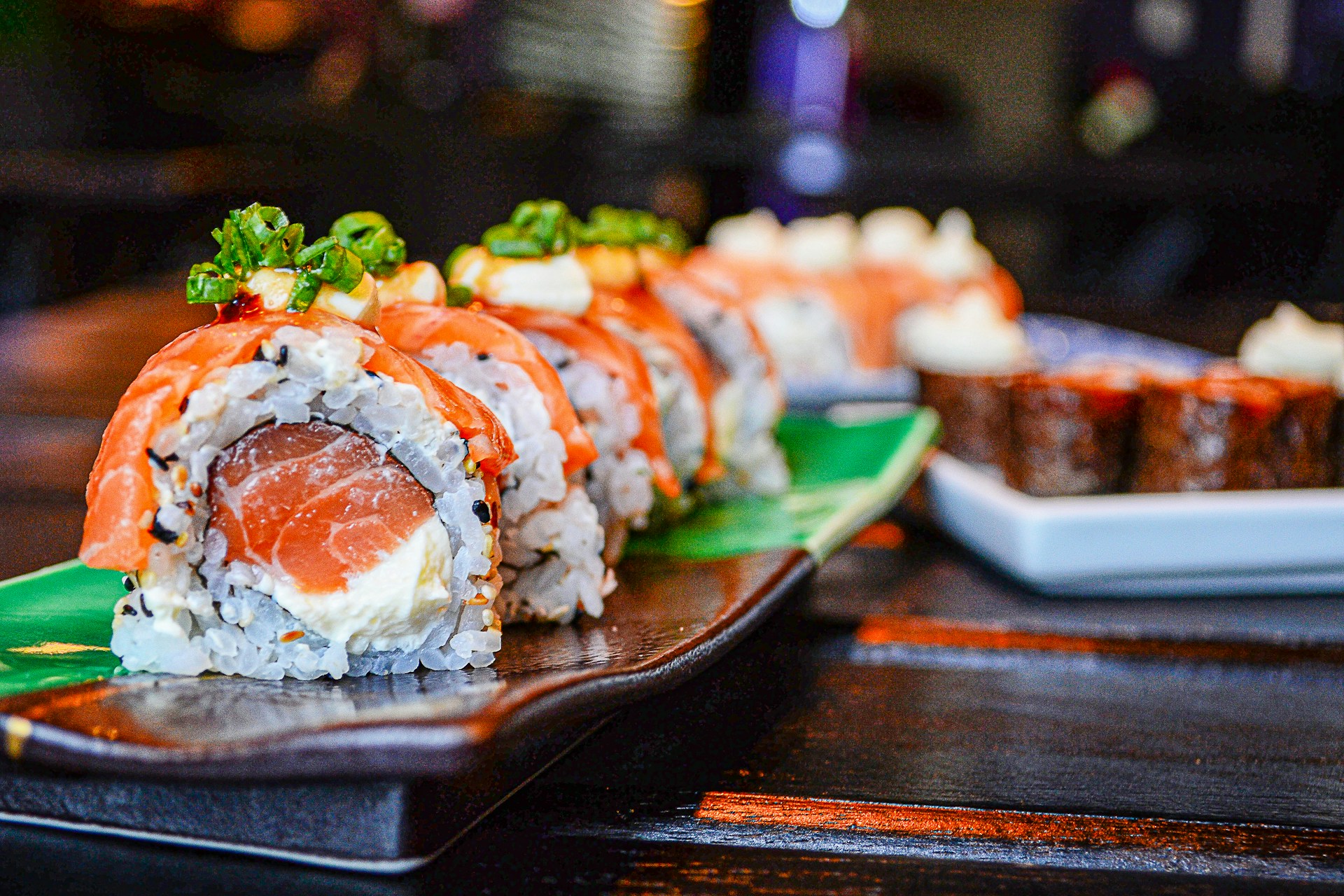
Alcohol is worth checking too. Many restaurants in Japan serve alcohol, and even many halal restaurants do, because it is hard for a restaurant to survive without it. If you prefer an alcohol-free setting, check before you book. A few other things to know:
- Brewed soy sauce naturally contains a little alcohol, and some miso has alcohol added
- Western and Japanese sweets sometimes contain liqueur or sake
- At a ryokan, dinner usually starts with a small aperitif, so ask for a meal without alcohol when you book
- Halal-certified: approved by a halal certification body that checks ingredients and preparation. The safest choice
- Muslim-friendly: the restaurant tries to use halal ingredients but is not certified. Ask how the food is prepared
- Pork-free or no alcohol: useful, but not the same as halal. “Alcohol-free” may only mean the drinks
- Halal menu: some restaurants offer a halal menu next to their normal one, and both may be cooked in the same kitchen
Halal food in Tokyo
Tokyo has the widest choice of halal food in Japan, from halal wagyu yakiniku and sushi to ramen made without pork. Our Tokyo travel guide shows where to stay and what to see. Here is how to find the right place.
- Use the Halal Gourmet Japan app. Halal Gourmet Japan is a free app for finding halal-certified and Muslim-friendly restaurants by area. Check each restaurant’s label before you go.
- Book ahead, especially for halal wagyu and sushi, which are popular and often small.
- When you book, say three things: that you need halal food, whether you want an alcohol-free table, and any allergies.
Local tip: plan your meals around the areas you will visit that day. Halal restaurants are not on every street, so deciding in advance saves you from walking around hungry with tired children.
Tokyo’s official tourism bureau also publishes the TOKYO MUSLIM Travelers’ Guide 2026–2027, with restaurants, hotels and prayer spaces across the city.
Where to pray in Japan
Japan has more than 100 mosques, and the number is growing. You will also find prayer rooms in airports and some stations, malls and sights.
Mosques
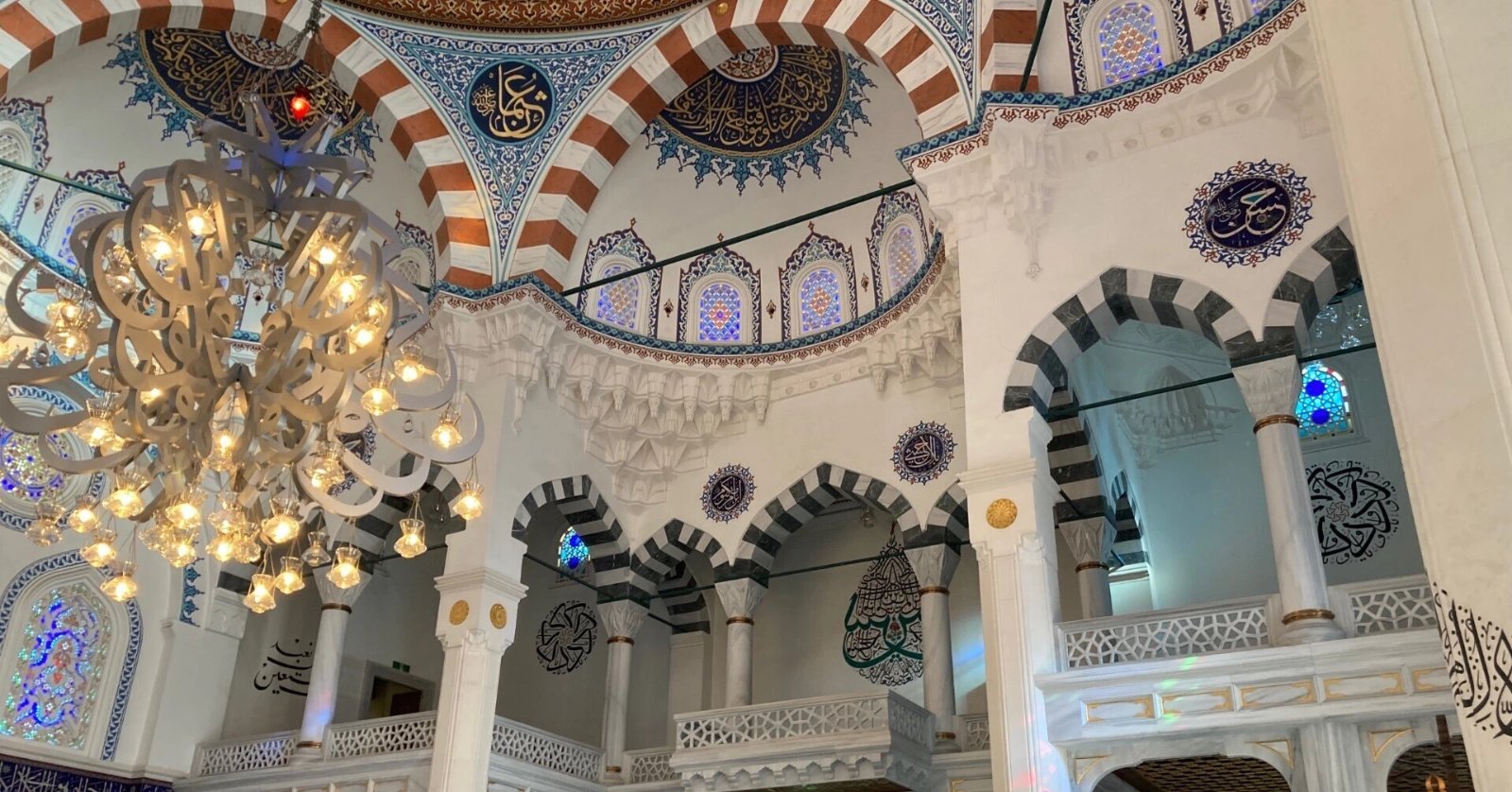
- Tokyo Camii in Shibuya is one of the largest mosques in Japan, with beautiful Ottoman-style architecture. Visitors are welcome
- Kobe Muslim Mosque, built in 1935, is the oldest mosque in Japan
- Osaka, Kyoto and other cities also have mosques, and Tokyo has smaller mosques in areas such as Asakusa and Ueno
Prayer rooms
- Airports: Narita, Haneda and Kansai airports all have prayer rooms with washing facilities
- In Tokyo: prayer spaces include Tokyo Midtown in Roppongi, Shibuya PARCO and the JR East Travel Service Center at Tokyo Station
For addresses, opening hours and the prayer rooms near each sight, see our guide to mosques and prayer rooms in Tokyo.
Find them on a map. The Japan National Tourism Organization’s Muslim travellers’ guide shows prayer facilities near popular sights in Tokyo and links to the Tokyo government’s maps for Muslim visitors. Our free lists of about 150 halal restaurants and mosques show mosques across Japan on Google Maps.
Local tip: prayer is much easier with a private car. Your driver can wait while you pray, and you can plan each day around prayer times instead of searching for a place at the last minute.
Choosing a hotel or ryokan as a Muslim traveller
Your hotel makes a big difference to how easy your days are. Here is what to ask for when you book:
- A prayer mat and the qibla direction: some international hotels in Tokyo can lend a prayer mat or tell you the direction of Mecca. Ask when you book rather than on arrival
- Breakfast: ask whether the hotel can offer pork-free or halal options. Buffets in Japan often contain pork, ham or bacon, so check the labels or ask the staff
- Location: a hotel near halal restaurants or a mosque, such as around Asakusa, Ueno or Shibuya, saves time every day
- At a ryokan: dinner is cooked for you, so tell the ryokan before you arrive: no pork, and no alcohol in the cooking, including mirin and sake. Many ryokan will adjust the menu if they know in advance, and asking in Japanese helps
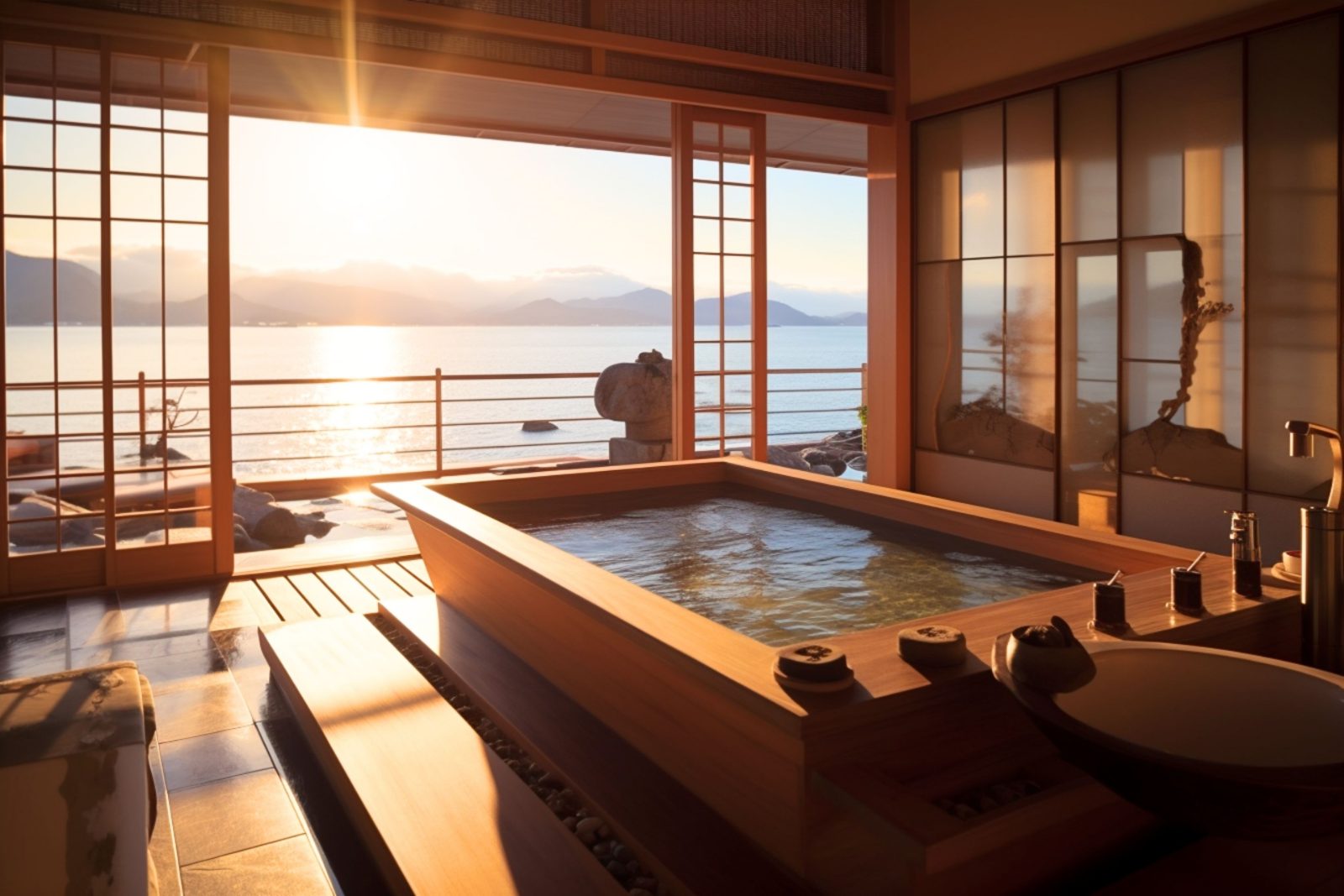
- Privacy: choose a room with its own bath, or a ryokan with private onsen. Our guide to private onsen for Muslim families and couples explains how
Wearing a hijab in Japan
You do not need to change how you dress. Japanese people are used to visitors from all over the world, and a hijab is simply seen as part of your style. If people look a little longer, it is curiosity; our guide to whether Japan is safe explains more.
- Kimono: some kimono rental shops in Kyoto can match a hijab to your kimono, so you can enjoy a kimono walk without compromise. Ask when you book
- Onsen: public baths are shared and bathers do not wear clothes, so choose a private onsen or a ryokan room with its own open-air bath, where your family can bathe in complete privacy. Our guide to private onsen explains how
- Photos: in busy sights, people may take photos around you. If someone points a camera at you, a polite gesture is enough, and most people will stop
Travelling to Japan during Ramadan
In 2027, Ramadan is expected to begin around 8 February. In Japan, this is winter: days are short and cool, so fasting is comfortable.
- Plan lighter days. Keep sightseeing slow in the afternoon, and save the busiest plans for after iftar
- Book iftar in advance. Halal restaurants can be busy at sunset, so reserve a table near where you will be
- Ask your hotel about suhoor. Many hotels can prepare a simple early meal or leave food in your room if you ask ahead
A Japanese local who plans around your faith
When we plan your trip, halal meals and prayer times are built into every day. We book halal restaurants in Japanese, ask ryokan for alcohol-free meals, and plan routes with prayer spaces in mind, so you can simply enjoy Japan. Start a free chat.
Can I find halal food in Japanese convenience stores?
A few products carry a halal mark, but most do not, and ingredient labels are in Japanese. It is best to rely on halal restaurants and your hotel, and to carry some snacks from home for the children.
Are there halal snacks for children in Japan?
Yes. Some Japanese snacks and sweets are halal-certified, with the halal mark on the package. Fruit, plain rice crackers and snacks you bring from home are easy options while you are out.
Can I buy halal souvenirs in Japan?
Yes. Look for Japanese sweets and snacks with a halal mark on the package, or choose non-food souvenirs such as tableware, textiles or green tea.
How do I find the qibla direction in Japan?
Use a qibla compass app on your phone. From Japan, the qibla is roughly to the west-northwest. Some hotels can also tell you the direction or lend a prayer mat if you ask.
Are there halal hotels in Japan?
Fully halal hotels are rare, but many international and Japanese hotels can provide a prayer mat, show the qibla and arrange alcohol-free meals if you ask before you arrive.