On this page
Quick answer
Yes, Japan is one of the safest countries in the world. It ranks 10th in the Global Peace Index 2026, families walk around at night, and lost wallets are often handed in. What you need to watch is not crime: it is earthquakes, typhoons and summer heat, crowded rush-hour trains, and touts in a few nightlife districts. Japan is also safe for Muslim students, and more universities now have prayer rooms and halal meals.
If you live in the Gulf, you are used to some of the safest cities in the world. Abu Dhabi has topped Numbeo’s ranking of the world’s safest cities for years, with Doha and Dubai close behind. So when friends in Dubai ask me whether Japan is safe, they are really asking: will it feel like home?
I was born in Japan and lived there for 26 years before moving to Dubai, so I can answer honestly. In most ways, Japan will feel just as safe as home. But the things to watch out for are different. This guide covers both: why Japan is safe, and the few things worth knowing before you go.
How safe is Japan?
Japan ranks 10th in the world in the Global Peace Index 2026, which compares safety, crime and conflict across countries. Here is what that looks like in daily life:
- Small police boxes (koban) are everywhere. In every busy area, you will find a koban with officers who give directions, help with lost items and look after lost children.
- Lost things come back. If you leave a phone on a train or a bag in a café, there is a good chance it will be handed to the staff or the police. Go back, or ask your hotel to call.
- Children travel alone. You will see young children in school uniforms riding trains on their own. That tells you a lot about how safe people feel.
- Violent crime is rare, and it is very unlikely to affect visitors.
- Visitors must carry their passport at all times in Japan. It is the law, and hotels and tax-free shops will also ask for it
- Keep your hotel’s name and address in Japanese on your phone, to show a taxi driver or police officer
What to actually watch out for
Japan is not a dangerous country, but it is different from home. These are the things I would tell a close friend before their first trip.
Earthquakes. Somewhere in Japan there is an earthquake almost every week, but most are too small to notice. Strong earthquakes that cause damage are rare, and you are very unlikely to experience one on a short trip. Buildings are built to strict standards. If you feel strong shaking:
- Get under a table and protect your head, away from windows
- Do not run outside while the building is shaking
- Follow the hotel or station staff, who are trained for this
Typhoons and summer heat. Typhoons mostly arrive between August and October. When a typhoon comes, do not go out unless you need to: stay in your hotel until it passes, as trains and flights may stop for a day. In July and August, watch out for heatstroke. Japan’s summer is not as hot as the Gulf, but it is very humid, and you spend much more time walking outdoors than you would at home. Drink water often, rest in cafés or shops, and wear a hat, especially with children. If you can choose, spring and autumn are the most comfortable; our guide to the best time to visit Japan explains each season.
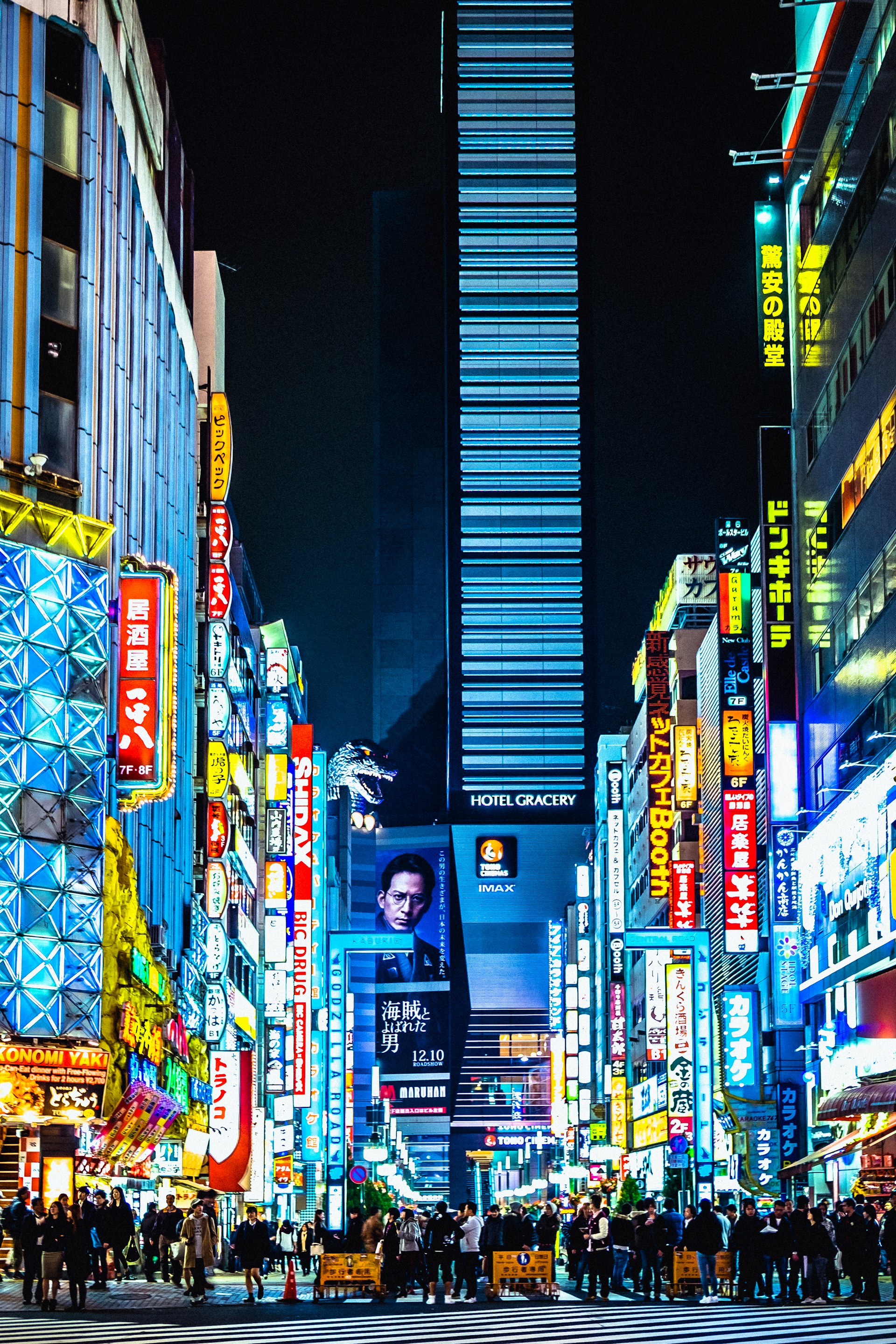
Touts in nightlife districts. In Kabukicho in Shinjuku and in Roppongi, people on the street may invite you into bars or clubs. Never follow a street tout. Visitors have been charged huge bills, and there have been reports of drinks being spiked. Restaurants you book yourself, or that your hotel recommends, are safe.
Is Japan safe for women?
Yes. Many women travel around Japan alone, and walking in central Tokyo or Kyoto in the evening is generally safe. Streets are well lit, convenience stores are open all night, and taxis and hotels are reliable.
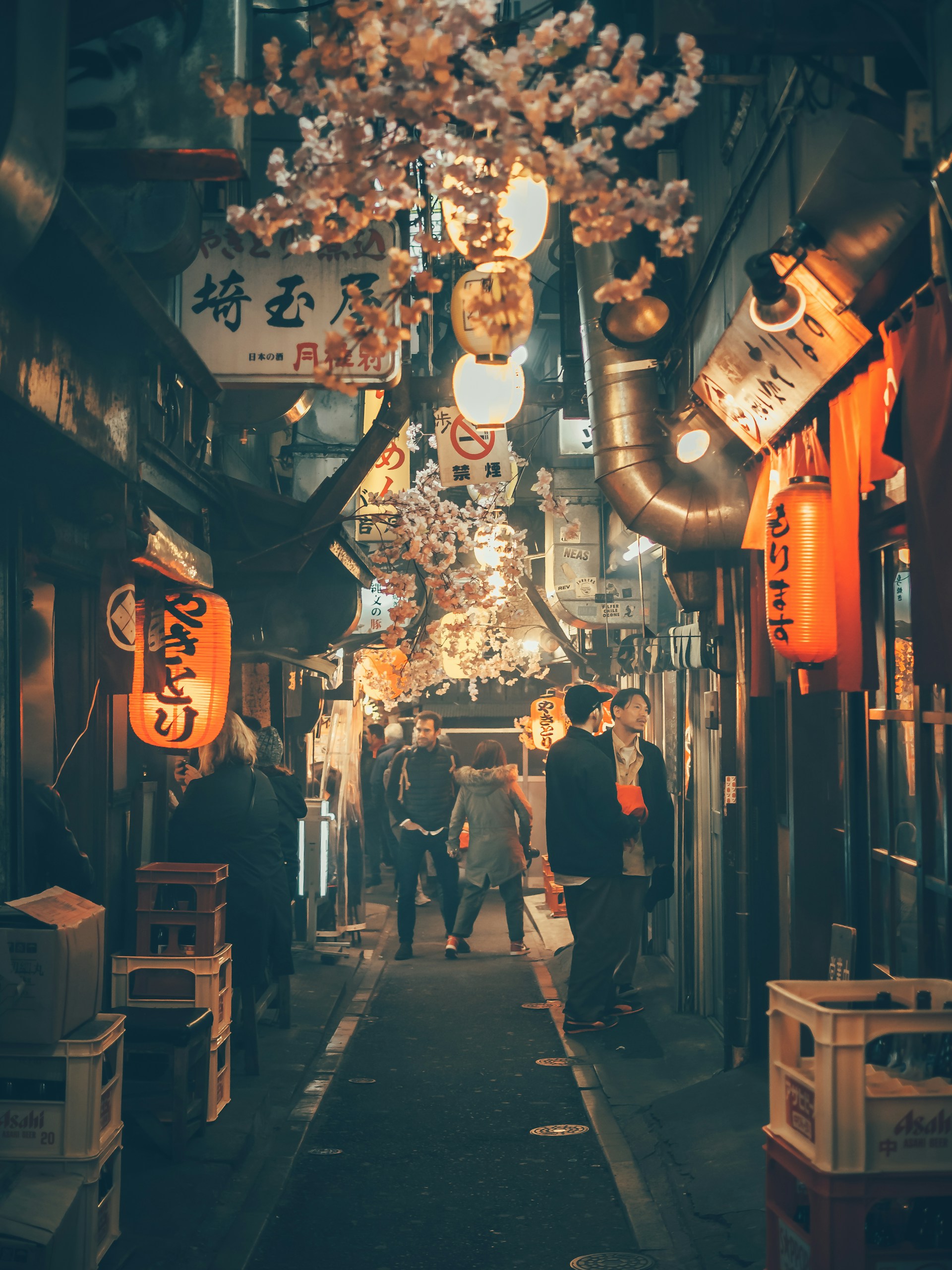
There is one thing I want to be honest about: groping on very crowded trains. It is not common for visitors to experience, but it does happen on packed rush-hour trains in big cities. This is why many train and subway lines in Tokyo and Osaka have women-only carriages during the morning rush hour. They are marked in pink on the platform and the train.
- Avoid rush hour (about 7:30 to 9:30 in the morning) if you can. It also makes travelling with luggage or children much easier.
- Use the women-only carriage when you travel at busy times.
- If something happens, say it loudly, move away and tell the station staff. They will take it seriously.
For women who wear a hijab: people in Japan may look a little longer because it is less common, but this is curiosity, not hostility. It is very rare to have an unpleasant experience. Some kimono rental shops in Kyoto can even match a hijab to your kimono.
Is Japan safe for Muslims?
Yes. Japan is safe for Muslim travellers, students and residents. Islam is less familiar in Japan than in the Gulf, but people are generally respectful, and hostility towards Muslims is very rare.
- Hijab and modest clothing: you may get a curious look, especially outside the big cities, but nobody will stop or question you for wearing a hijab, an abaya or a thobe
- Prayer: there are more than 100 mosques across Japan, including Tokyo Camii in Shibuya, and many airports, stations and department stores have prayer rooms
- Halal food: halal and Muslim-friendly restaurants are easy to find in Tokyo, Osaka and Kyoto
- Students and long stays: many universities have prayer rooms, and local mosques are a good place to meet the community and ask for advice
Is Japan safe for Muslim students?
Japan is a safe and practical place to study as a Muslim, and more universities are making space for Muslim students.
- Prayer rooms on campus: many universities with international students have a prayer room. Ask the international student office when you arrive
- Halal meals: some university cafeterias have offered halal meals, for example at Ritsumeikan Asia Pacific University in Oita and Kyoto University. Off campus, halal shops in big cities sell halal meat, and cooking at home is the easiest way to eat halal every day
- Friday prayers and community: local mosques hold Friday prayers, and they are the best place to meet other Muslims, find halal shops and get advice about life in Japan
- Reading food labels: learn the Japanese words for pork (豚, ぶた, ポーク), lard (ラード) and alcohol (アルコール, 酒, みりん). They appear in the ingredient lists on packaged food
- Ramadan: Japan does not change working or school hours during Ramadan, so tell your teachers or supervisor. When Ramadan falls in summer, the days are long, so plan your study around iftar
- If you need help: your university’s international student office, the local mosque, or the Japan Visitor Hotline (050-3816-2787, 24 hours, in English)
For where to eat and pray, see our guides to halal food in Tokyo, halal food in Osaka, halal food in Kyoto and mosques and prayer rooms in Tokyo, or get our free lists of about 150 halal restaurants and mosques.
Our guide to whether Japan is Muslim-friendly explains how to find halal food and places to pray. Before you fly, read our things to know before going to Japan.
Is Japan safe for families with children?
Japan is one of the easiest countries to travel with children: clean, orderly and patient with families. A little preparation for three situations helps.
If your child gets lost in a crowd. Stations such as Tokyo and Shinjuku, and theme parks such as Tokyo Disney Resort, can be very crowded.
- Give each child a card with the hotel name and your phone number
- Agree on a meeting point when you arrive somewhere busy
- Teach them to go to a station staff member or a koban; a lost child is looked after quickly in Japan
Remember that cars drive on the left. It is the opposite of the Gulf, so children often look the wrong way before crossing. Hold their hand at crossings until they are used to it.
If your child gets sick. Japanese hospitals and clinics are clean and of a high standard, and pharmacies are easy to find.
- The Japan National Tourism Organization (JNTO) lists hospitals that welcome international visitors
- Take out travel insurance that covers medical treatment, as you pay the clinic directly
- Check your medicines before you pack. Some common cold and allergy medicines cannot be brought into Japan, such as products containing pseudoephedrine or codeine. You can bring up to a one-month supply of prescription medicine without a permit, with the prescription or a doctor’s letter. See the Japanese government’s guidance on bringing medicine
If your child has a food allergy. Many restaurants cannot easily understand allergies explained in English. Carry a card in Japanese that names the allergy, and mention it when you book.
Who to call if something goes wrong
| What happened | Who to call |
|---|---|
| Crime, accident or lost child | Police: 110 |
| Fire, serious illness or injury | Ambulance and fire: 119 |
| Need help in English, any time | Japan Visitor Hotline: 050-3816-2787 (24 hours) |
| Earthquake and tsunami alerts | Safety tips app from the Japan Tourism Agency (free) |
| Lost passport or serious trouble | Your country’s embassy in Tokyo |
Local tip: save these numbers on your phone before you fly, and download the Safety tips app at home, so you are not searching for them when you need them.
A Japanese local by your side
When we plan your trip, you have a Japanese local on WhatsApp the whole time you are in Japan. We reply from 8:00 to 22:00 Japan time, and 24 hours a day in an emergency. If you need to speak to a hospital, a hotel, a taxi driver or the police, we speak Japanese on your behalf. Start a free chat.
Is Tokyo safe at night?
Yes. Central Tokyo is busy and well lit late into the evening, and families walk around at night. The only areas where I would take extra care are the nightlife streets of Kabukicho and Roppongi, where you should never follow a street tout into a bar.
Is it safe to wear a hijab in Japan?
Yes. People may look a little longer because the hijab is less common in Japan, but it is curiosity, not hostility, and unpleasant experiences are very rare.
Is Japan safe for Muslim students?
Yes. Japan has very little violent crime, and hostility towards Muslims is rare. Many universities have prayer rooms, some cafeterias have offered halal meals, and cities such as Tokyo, Osaka and Kyoto have mosques and halal shops. Ask your university's international student office about prayer rooms and halal food when you arrive.
How do I know if packaged food in Japan contains pork or alcohol?
Check the ingredient list for 豚 or ポーク (pork), ラード (lard), and アルコール, 酒 or みりん (alcohol). If you are unsure, choose products with a halal mark or ask a staff member.
Is pickpocketing a problem in Japan?
It is very rare. Still, keep your bag closed on crowded trains and at busy stations.
Can I drink tap water in Japan?
Yes. Tap water in Japan is safe to drink everywhere, including in hotels and restaurants.
Are taxis safe in Japan?
Yes. Taxis are clean, metered and honest, and drivers do not overcharge. Show the address in Japanese, as many drivers speak little English.